Oil rises as US-Iran war continues to stress energy supplies
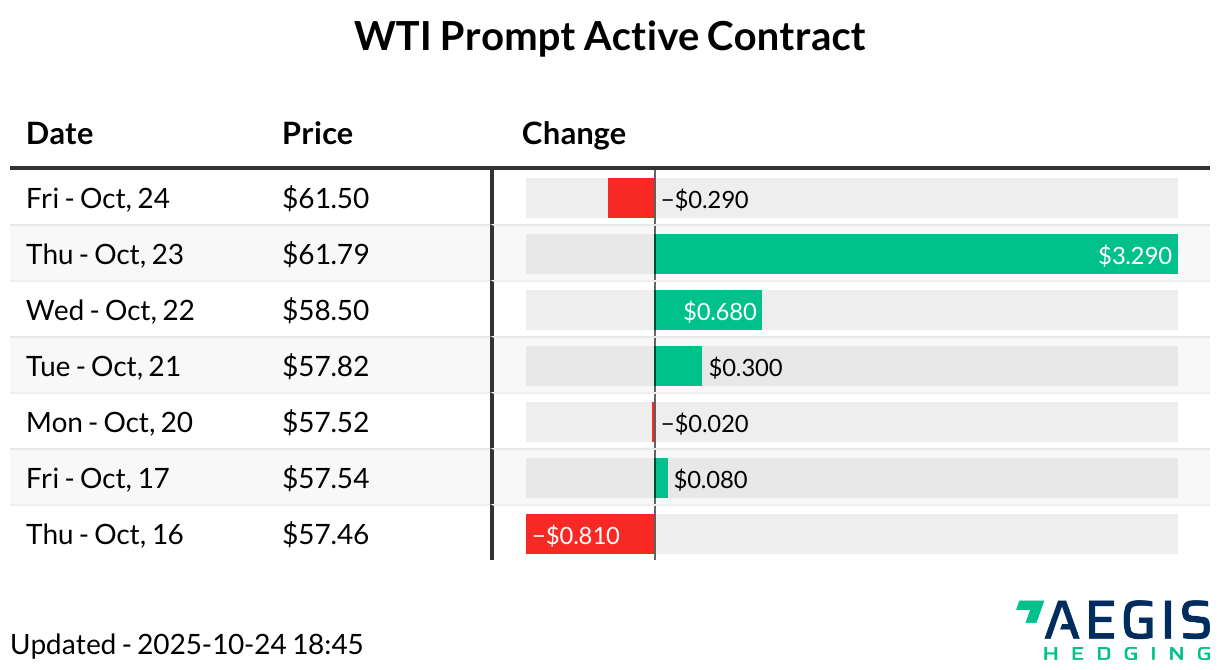
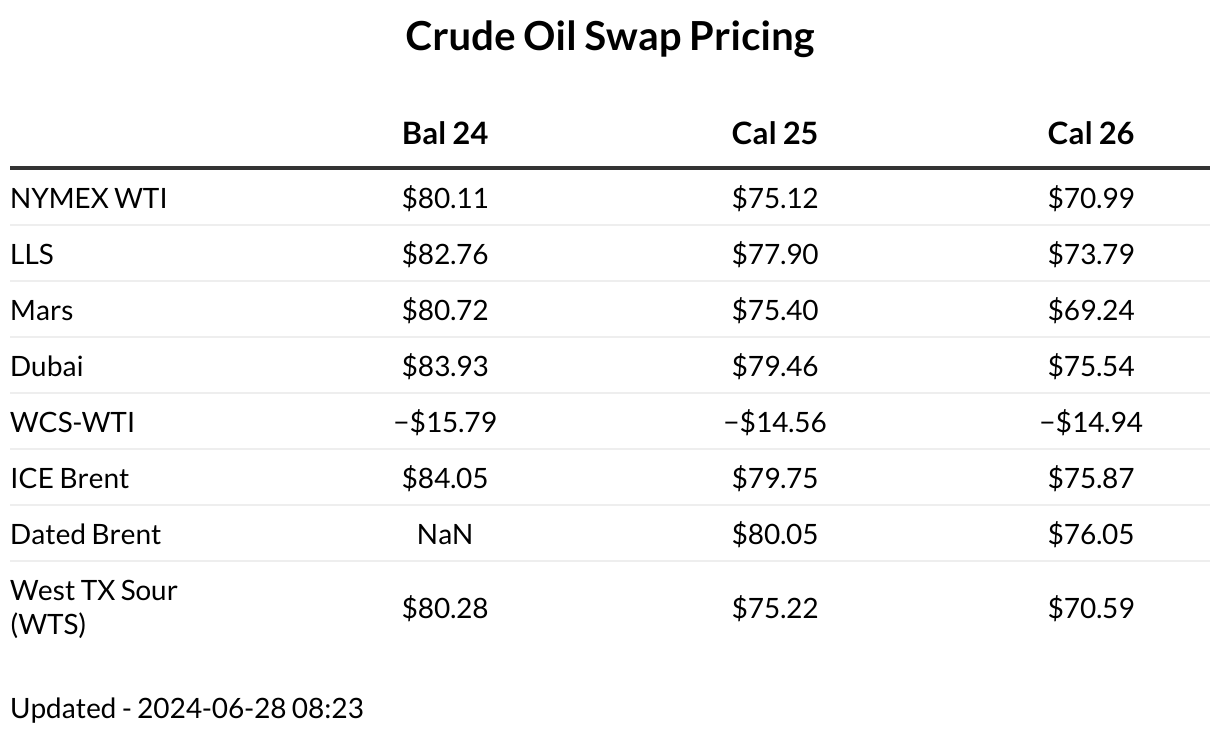
The WTI prompt-month contract rose $2.29 to $76.95 on Thursday morning (7:30 AM CT)
Crude prices advanced as the escalating conflict in the Middle East continues to disrupt key energy flows across the region
China’s government has instructed the country’s largest refiners to halt exports of diesel and gasoline, signaling a move to safeguard domestic fuel supplies that could tighten availability for overseas consumers
Although China operates one of the world’s largest refining systems, most of its output is directed toward meeting internal demand, limiting its role as a major supplier to global markets
The market’s primary focus remains the Strait of Hormuz, though Iranian military commander Amir Heydari said on state television that Iran “does not believe in closing” the vital shipping corridor
Despite those comments, Iran’s Revolutionary Guards said Thursday that they struck a US tanker in the northern Gulf, with the vessel reportedly catching fire
The Guards also stated that during wartime the Islamic Republic would exercise control over transit through the waterway
Ship-tracking data compiled by Bloomberg indicate traffic through the strait has collapsed by more than 95%, as large crude carriers and LNG vessels steer clear of the area
The limited number of ships still departing the Gulf are reportedly sailing with location transponders switched off, a tactic often used by vessels operating in active conflict zones
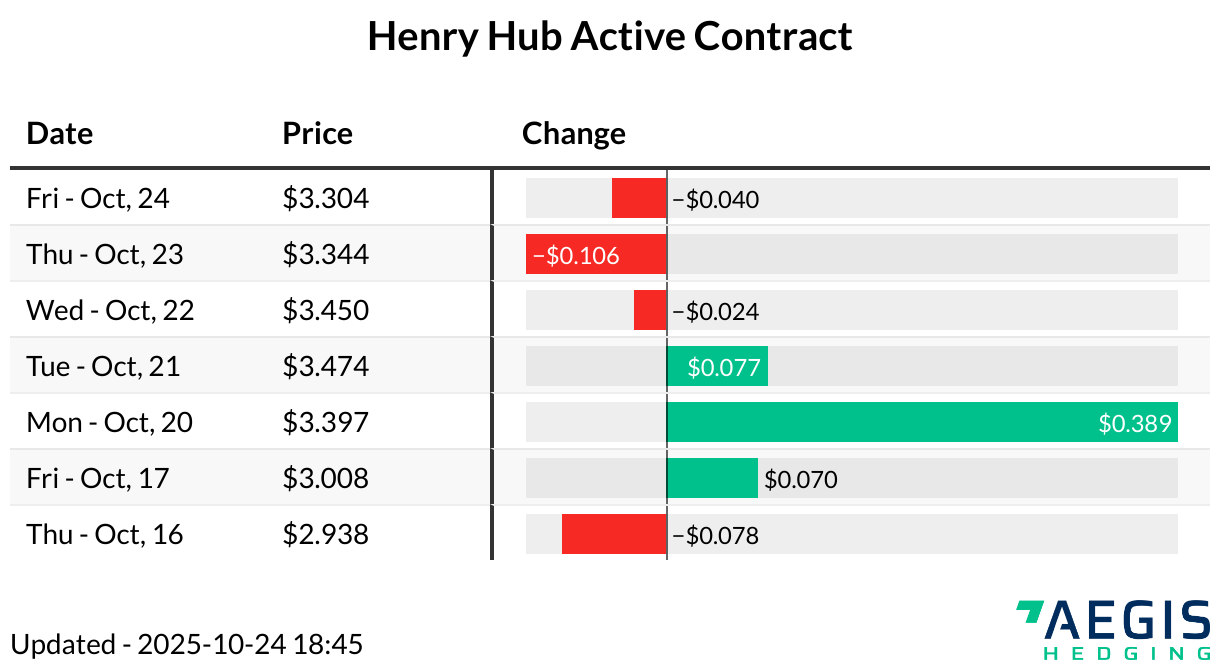
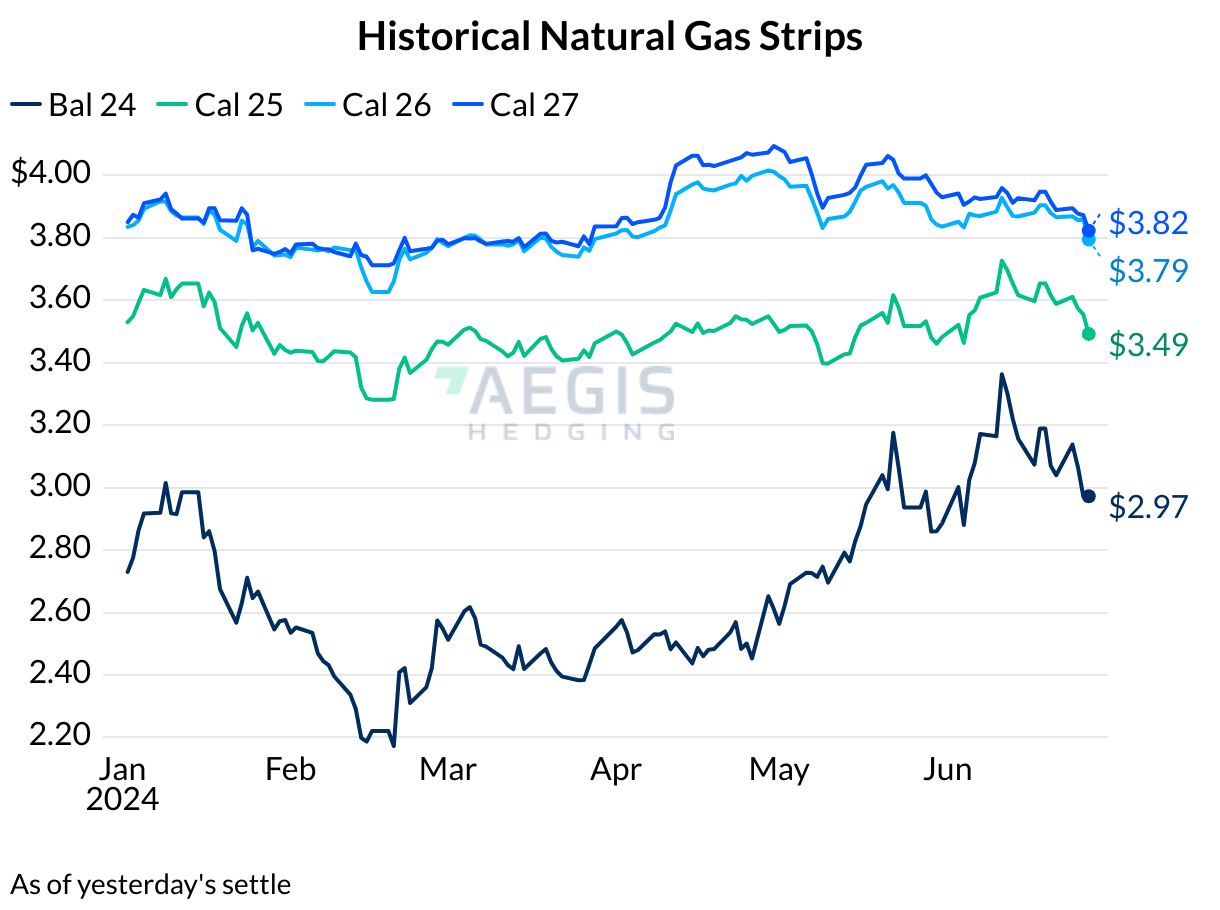
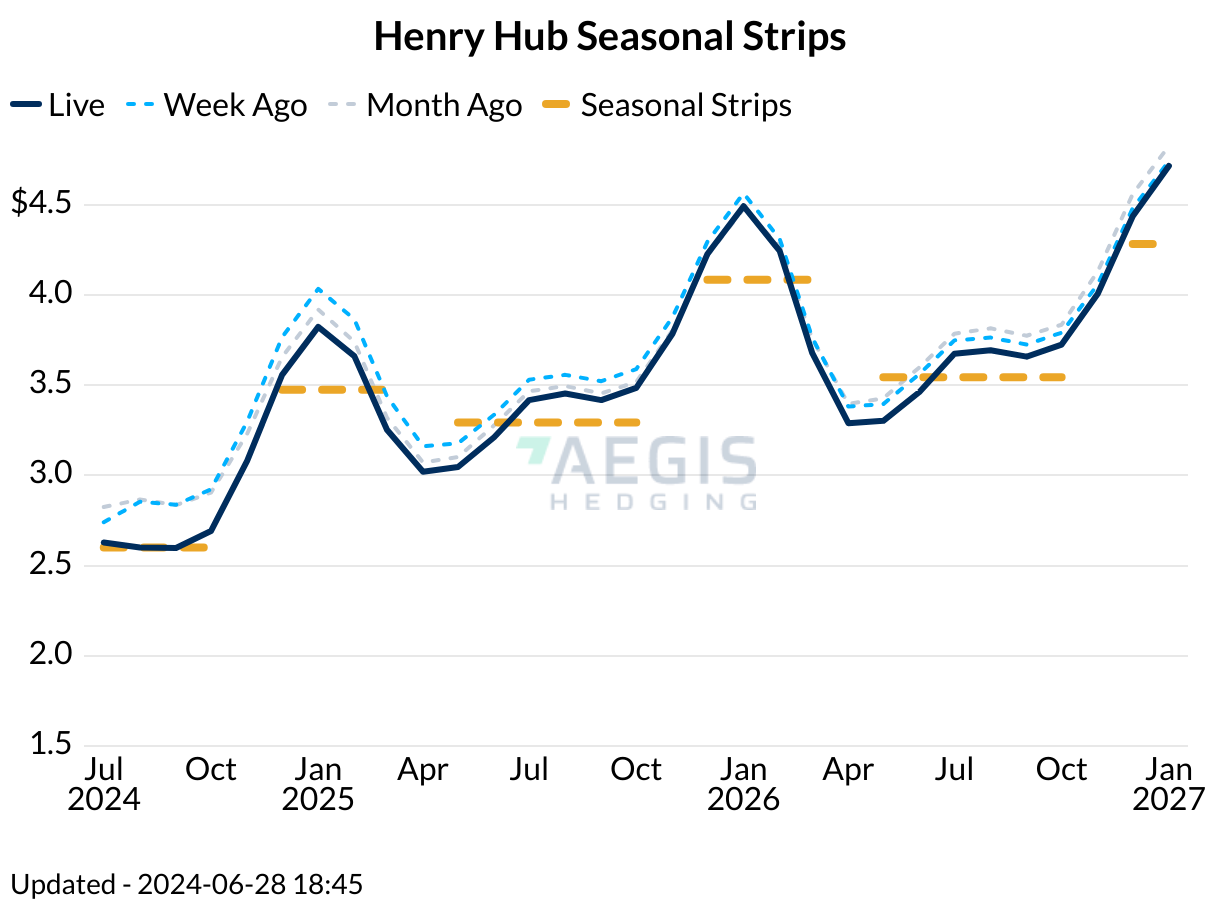
Natural gas prompt month is up 4.2c to $2.959/MMBtu. (As of 07:21 AM CT)
Markets are slightly up, weighing warm forecasts with production declines and expected storage withdrawals
There was slight warming across the L48, partially offset by continues losses late in the forecast period for the Northeast
Temperatures are currently around 7°F above the 10 year average, but are expected to drop below late next week into mid-march (Criterion)
L48 production dropped this morning to 110.3 Bcf/d
Production dropped over -0.5 Bcf/d, and CAD imports fell a further -0.4 Bcf/d to a two year low of 4.0 Bcf/d
Today’s storage report has an average withdrawal estimate of -124.5 Bcf (Bloomberg)
Data centers drive power costs much higher across the PJM (S&P)
In the last three capacity auctions, $23 Billion in additional costs were added according to the President of Monitoring Analytics
He attributes the rise in these costs to data centers
The PJM market is projected to have an annual increase of 13 gigawatts of new load growth
Get market insights delivered to your Inbox every day!